
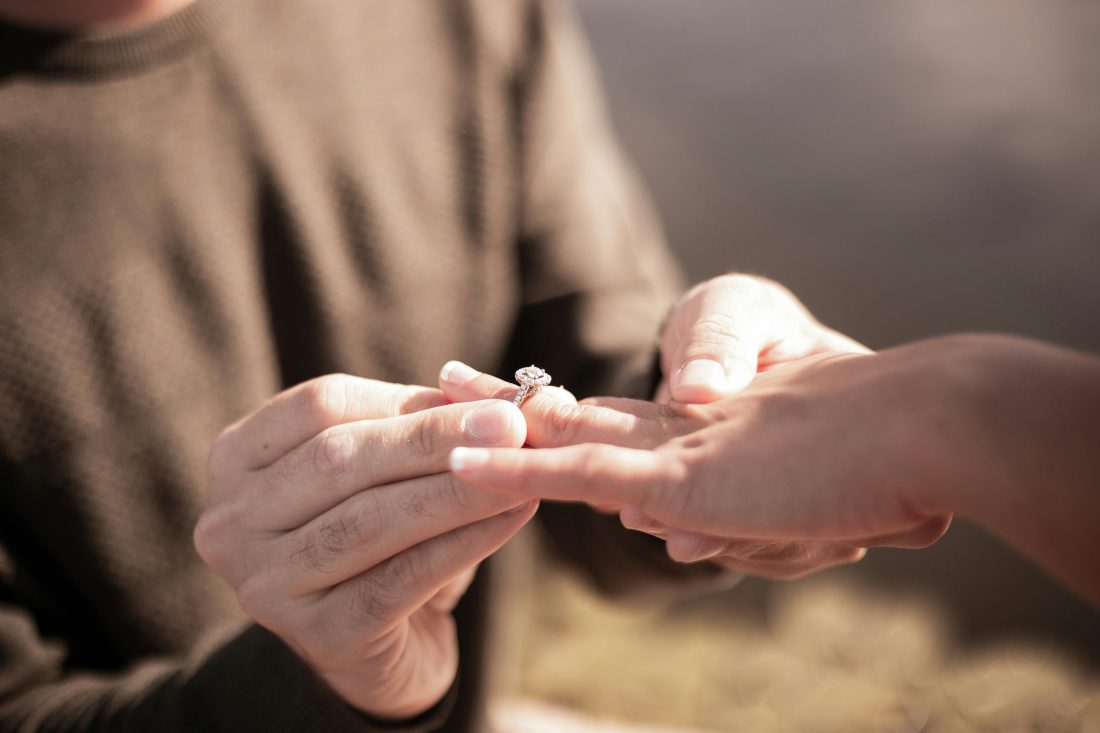
An engagement is often described as a milestone, but in reality it is more like a threshold. Life before and life after are not radically different, yet something has shifted. The ring that marks this moment becomes a small, constant reminder of that shift, worn through ordinary days as much as through celebrations.
Engagement jewellery sits in a curious place. It is both deeply symbolic and entirely practical. It must hold meaning while surviving everyday wear. It must feel special without feeling untouchable. In recent years, this balance has become easier to strike thanks to a wide range of engagement ring designs that reflect how varied modern relationships really are.
Where Tradition Meets Personal Choice
For centuries, engagement rings followed relatively narrow conventions. Bands were simple, stones were rare, and designs changed slowly. Over time, diamonds became dominant, and certain styles became shorthand for commitment. Many of these traditions still resonate, but they no longer dictate choice.
Today, couples are less concerned with what an engagement ring should look like and more interested in what it might say. For some, tradition offers comfort and continuity. For others, it feels limiting. The growing diversity in design allows both instincts to coexist.
This shift mirrors wider cultural changes. Relationships are more openly discussed, less bound by expectation, and often shaped around individual values. Engagement jewellery has quietly followed suit.
The Emotional Weight of Design
It is easy to talk about engagement rings in terms of materials and shapes, but the emotional response they provoke is just as important. A ring does not need to be extravagant to feel significant. Often, it is the details that resonate.
A particular curve might remind someone of an old family piece. A subtle engraving may reference a shared memory. Even the way a ring catches the light can feel meaningful if it aligns with the wearer’s sense of self.
This is why design variety matters. When options are limited, meaning can feel imposed. When choice is broader, meaning has room to emerge naturally.
Stone Shapes and Silent Associations
Stone shape is one of the most visible elements of an engagement ring, and yet its influence is often subconscious. A round stone feels balanced and familiar, perhaps because it has been the most common for so long. It carries a sense of reassurance.
Elongated shapes tend to feel more expressive. They draw the eye, elongate the finger, and often appeal to those who want something distinctive without being ostentatious. Square and rectangular stones can feel more structured, sometimes chosen by those who appreciate clarity and order.
These are not rules, just tendencies. Many people are surprised by what they are drawn to when they see rings in person. Engagement jewellery has a way of cutting through assumptions and revealing instinctive preference.
Metal Choices and Daily Reality
While stones often take centre stage, metal plays an equally important role in how a ring feels over time. Yellow gold carries warmth and history. It shows signs of wear more readily, but many people come to cherish that soft, lived in look.
White metals tend to feel cleaner and more contemporary, though they require maintenance to keep their colour consistent. Rose gold offers a gentler tone, often associated with softness and subtle individuality.
Practical considerations matter here more than people admit. Someone with an active lifestyle may prefer a durable metal and a low profile setting. Someone whose hands are rarely exposed to wear may enjoy something more delicate. These choices are rarely romanticised, but they are essential to long term comfort.
Vintage Influence and Modern Interpretation
One of the most interesting developments in engagement jewellery is the renewed interest in vintage inspired design. This does not necessarily mean exact replicas of antique rings. More often, it involves borrowing certain elements, such as milgrain edges, intricate settings, or distinctive stone cuts, and reinterpreting them through a modern lens.
This approach appeals to those who value history but want something that fits contemporary life. There is comfort in knowing a design has endured, even if it has been subtly adapted.
At the same time, truly modern designs continue to emerge. Clean lines, unexpected proportions, and unconventional stone choices speak to a desire for originality without excess.
The Proposal as Part of the Story
Although the ring remains, the proposal moment often shapes how it is remembered. Some people dream of dramatic gestures and carefully planned surprises. Others prefer intimacy and familiarity. Neither is inherently better, but alignment matters.
A proposal that reflects the couple’s shared rhythm tends to age well in memory. The ring becomes a physical link to that moment, carrying not just the idea of commitment, but the feeling of being understood.
This is why engagement jewellery often feels more personal than other forms of adornment. It is tied to a specific moment, but worn through countless others.
Living With an Engagement Ring
An engagement ring is not static. It changes as it is worn. Small scratches appear, settings loosen slightly, metals soften at the edges. Over time, the ring becomes uniquely tied to its wearer.
Many people find that their relationship with the ring evolves. What once felt precious and fragile becomes familiar and reassuring. It becomes part of daily life rather than an object set apart.
This gradual transformation is part of the ring’s meaning. It reflects continuity rather than spectacle, presence rather than perfection.
Jewellery as a Marker of Time
Engagement rings often mark the beginning of a broader personal collection. Wedding bands, anniversary pieces, inherited jewellery. Together, they form a quiet record of time passing.
Unlike photographs or letters, jewellery is physical and immediate. It is touched, worn, occasionally misplaced, and rediscovered. It carries the marks of experience in a way few other objects do.
An Open Ended Symbol
Perhaps the most compelling aspect of engagement jewellery today is its openness. There is no single correct choice, no definitive style. The wide range of engagement ring designs available reflects a broader acceptance that commitment looks different for everyone.
In the end, an engagement ring is not a conclusion. It is an invitation into the next chapter. Its meaning is not fixed at the moment it is given, but continues to grow, shaped by the life that unfolds around it.