
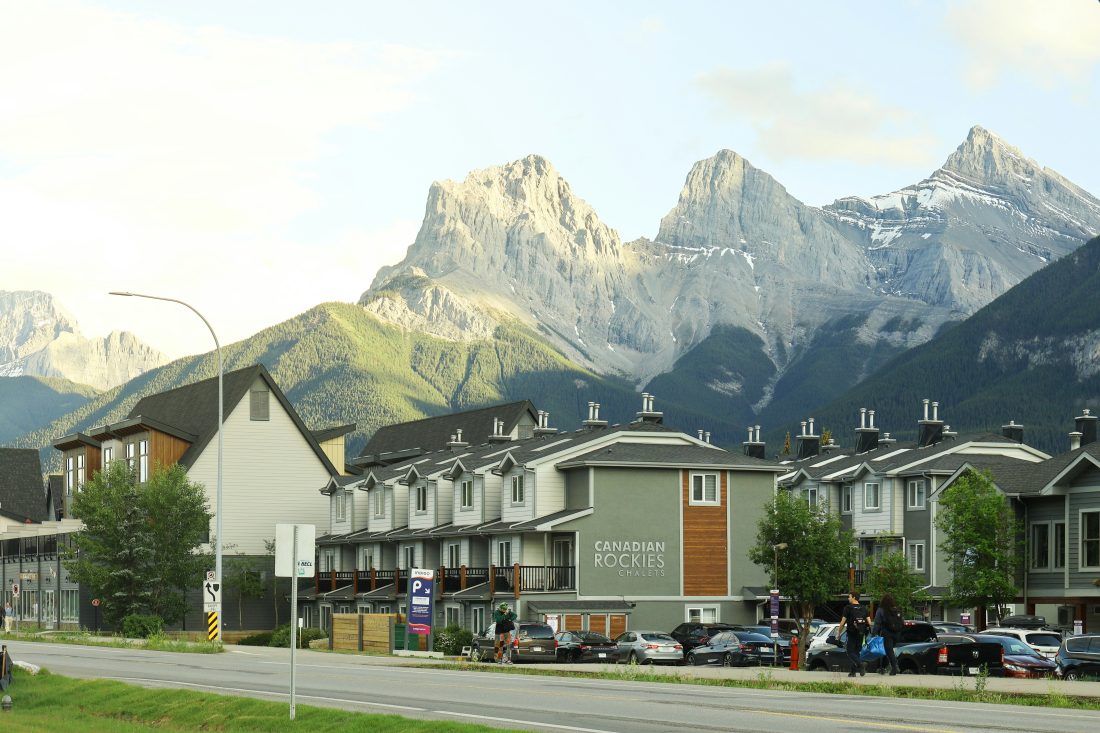
Mountain resort areas have traditionally catered to two distinct populations: vacation visitors seeking temporary escape and retirees embracing permanent leisure. Families with children often felt caught between these poles, drawn to mountain beauty but uncertain whether resort communities could support the rhythms of raising children. Today, family-oriented neighborhoods within resort areas have emerged to bridge this gap, creating environments specifically designed for households where childhood activities, school schedules, and parenting priorities shape daily life.
Beyond the Resort Bubble
Family-oriented neighborhoods distinguish themselves from pure resort developments through attention to everyday practicality. Streets accommodate school bus routes. Lot sizes and layouts support backyard play rather than maximizing rental potential. Community designs include playgrounds, sports courts, and gathering spaces where children can roam safely while parents maintain comfortable oversight.
These neighborhoods feel different from resort cores. The energy shifts from transient excitement to settled contentment. Neighbors know each other through repeated interaction rather than passing acquaintance. Children develop friendships that span school years rather than vacation weeks. The community invests in permanence rather than turnover.
Proximity Without Immersion
Families choosing these neighborhoods gain resort amenity access without full resort immersion. Ski slopes, golf courses, pools, and recreational programming remain conveniently available. Children can participate in ski schools and summer camps that resort infrastructure supports. Yet home base exists slightly removed from the intensity and expense of slopeside living.
This proximity without immersion often represents optimal balance for families. The mountain lifestyle remains fully accessible without the premium pricing, tourist traffic, and seasonal disruption that core resort locations experience. Neighborhoods like those featuring Bear Hollow homes for sale exemplify this positioning—close enough to access everything, removed enough to feel like genuine hometown rather than extended vacation.
School Community Integration
Family-oriented resort area neighborhoods tend to cluster around strong school catchment zones. Parents comparing properties evaluate not just home features but educational access, commute patterns for children, and integration with school community life. The neighborhoods that succeed in attracting families typically offer straightforward school logistics and active parent involvement networks.
This school orientation creates self-reinforcing community character. Families move in because other families have established presence. Children find ready-made peer groups. Parents connect through school events, sports teams, and shared carpooling. The social infrastructure that family life requires develops naturally when critical mass of similar households exists.
Safety Through Design
Family-oriented neighborhoods incorporate safety through thoughtful design rather than fortress mentality. Traffic calming measures slow vehicles naturally. Street layouts discourage cut-through driving. Sidewalks and paths allow children to move independently between homes, parks, and friends without navigating dangerous roads.
This designed safety creates childhood freedom that many parents remember from their own youth but struggle to provide in conventional suburban settings. Children can walk to neighbors’ houses, ride bikes to community amenities, and play outdoors with autonomy appropriate to their ages. Parents supervise without helicoptering because environmental design provides inherent protection.
Multi-Generational Appeal
The best family-oriented resort area neighborhoods appeal across generations. Young families find peer households and child-friendly amenities. Grandparents visiting for extended stays discover comfortable guest accommodations and accessible recreation. Empty nesters who raised children in these neighborhoods often choose to remain, valuing community connections developed over parenting years.
This multi-generational presence enriches community texture. Children interact with older residents who offer perspective and patience. Grandparents considering permanent relocation can preview community life through extended visits. The neighborhood sustains vitality across demographic cycles rather than depending on continuous family recruitment.
Investment in Future
Families choosing mountain resort area neighborhoods invest in more than real estate. They invest in childhood memories shaped by extraordinary settings. They invest in adolescent development supported by outdoor challenge and community accountability. They invest in family identity rooted in place rather than transience.
These investments compound over years of residence. Children who grow up in these neighborhoods carry formative experiences forward. Family traditions embed in specific locations. The meaning of home deepens through accumulated seasons and milestones.
For families ready to embrace mountain living fully, family-oriented neighborhoods within resort areas offer the rare combination of adventure access and domestic stability that childhood deserves.