
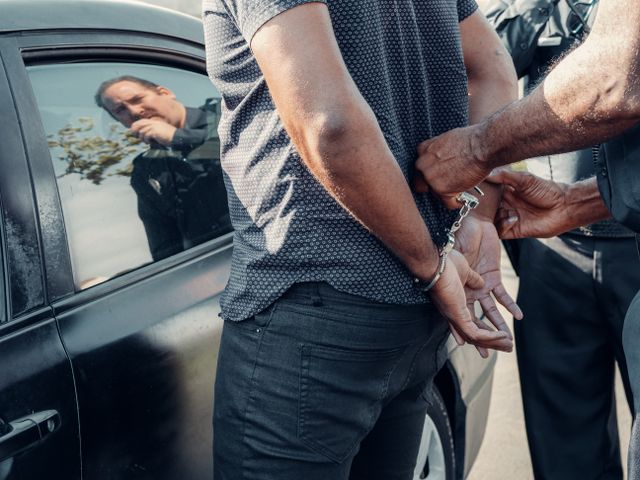
Most of us picture a DUI arrest the way movies show it: sirens, handcuffs, a night in a cell, fade to black. The reality is slower, more bureaucratic, and honestly a lot more confusing than the highlight reel suggests. If you travel often, host visitors, or just drive home from dinner parties like the rest of us, it’s worth understanding the actual sequence of events, because the paperwork and consequences can follow you for years, including at international borders. Toronto criminal defence lawyer Jonathan Lapid, who handles impaired driving cases across the Greater Toronto Area, notes that a lot of the fear people feel in the moment comes from not knowing what happens next, not from the process itself. This piece walks through that process step by step, in plain language, using Ontario as the example jurisdiction (the broad strokes are similar across most of Canada, with some provincial differences in suspension lengths and fees).
A quick note before we start: this is general information for a general audience, not legal advice. If you’re actually facing a charge, the facts of your specific stop, your province, and your record all change the calculus, and you should talk to a lawyer licensed where you were charged.
1. The Initial Stop
Almost every impaired driving case starts with something small: a rolling stop, drifting between lanes, a burnt-out taillight, or a random RIDE (Reduce Impaired Driving Everywhere) checkpoint that has nothing to do with your driving at all. Officers are trained to notice a cluster of cues once they’ve pulled you over or stopped you at a checkpoint, including the smell of alcohol or cannabis, slurred speech, glassy or red eyes, and fumbling with a licence or registration. None of these alone proves impairment, but together they’re usually enough for an officer to ask you to step out of the vehicle.
2. Roadside Testing
If an officer has a reasonable suspicion you’ve been drinking or using drugs, they can demand a roadside breath sample on the spot using an approved screening device, without needing a warrant. This is the “ASD” or approved screening device test, and in Ontario it’s mandatory: refusing it is itself a criminal offence, treated as seriously as failing. Depending on how the reading lands, one of three things happens:
- “Pass”: you’re free to go, sometimes with a warning.
- “Warn”: your blood alcohol concentration is in the 0.05 to 0.08 range, which typically triggers an immediate roadside licence suspension (three to thirty days depending on prior warnings) even without a criminal charge.
- “Fail”: the reading is 0.08 or higher, which leads to arrest and further testing at the station.
Police may also ask you to perform standardized field sobriety tests, like walking a straight line or standing on one leg, particularly if drug impairment rather than alcohol is suspected.
3. The Arrest Itself
If you fail the roadside test, you’ll be arrested and, in most cases, handcuffed as a matter of standard procedure rather than because you’re considered dangerous. Your vehicle will typically be impounded on the spot (Ontario has mandatory roadside impoundment rules tied to warn and fail results), and you’ll be transported to a police station. This is the part that feels most like the movies, but it’s also the shortest step. Officers are required to read you your rights, including your right to speak with a lawyer without delay, and you should ask for that call as early as possible, even if you’re not sure what to say yet.
4. At the Station
Once at the station, you’ll typically be asked to provide breath samples on an approved instrument, which is more precise than the roadside device and produces the readings used in court. You’ll usually get your phone call to a lawyer, including duty counsel available free of charge around the clock, before being tested. Personal items are held, basic booking information is taken, and depending on the detachment and how busy the night is, this stage can take anywhere from one to several hours.
5. Release Conditions
Contrary to the “night in jail” image, most first-time impaired driving arrests end with the person released within hours, not days, once they’re no longer impaired and there’s no other reason to hold them (like an outstanding warrant or a risk to public safety). Release usually comes with conditions:
| Release step | What it typically involves | |—|—| | Sobriety check | Held until breath/blood alcohol is back near zero | | Promise to appear | A document listing your first court date | | Undertaking | Conditions such as not driving, reporting to police, or travel restrictions | | Vehicle recovery | Arranging impound release, usually at your own cost | | Administrative suspension | Provincial licence suspension separate from any criminal case |
It’s worth sitting with that table for a second, because the administrative and criminal tracks run in parallel and on different timelines, which is exactly where a lot of confusion sets in. Your licence can be suspended by the province the same day, long before any court has decided anything about the criminal charge.
6. The Days and Weeks After
Once you’re released, the practical fallout starts: arranging a ride, getting your car out of impound, and figuring out how you’re getting to work without a licence for the interim period. You’ll also have a first court date, sometimes weeks or months out, where the process is largely administrative (confirming a lawyer, requesting disclosure of the evidence against you) rather than a full trial.
This is also the stage where the paperwork trail starts to matter for anyone who travels internationally. A DUI charge, and certainly a conviction, can affect entry into some countries, most notably the United States, which treats impaired driving as a crime of inadmissibility. If your job or hobbies involve regular cross-border travel, that’s often the consequence that catches people most off guard, more than the fine or the suspension itself.
7. What the Case Actually Decides
It’s a common misconception that an arrest equals a conviction. An arrest is the start of a legal process, not the end of one. Charges can be resolved in a number of ways, including withdrawal, a plea resolution, or a trial, and outcomes depend entirely on the facts of the stop, the evidence gathered, and how the case is handled. No article, and no lawyer, can promise a particular result before reviewing the specifics of a case, and you should be skeptical of anyone who does.
Frequently Asked Questions
Do I have to answer questions during the roadside stop? You generally have to identify yourself and provide licence, registration, and proof of insurance. Beyond that, you have the right to remain silent and the right to speak with a lawyer before answering substantive questions.
Can I refuse the roadside breath test? In Canada, refusing an approved screening device demand without a reasonable excuse is itself a criminal offence, treated similarly to failing the test.
Will I automatically lose my licence? A provincial administrative suspension is common even before any criminal case concludes, separate from whatever penalty follows a conviction.
Does a DUI arrest affect travel to the US? It can. US border authorities can deny entry based on impaired driving charges or convictions, which is a detail frequently overlooked in the moment.
References
- Government of Ontario: Alcohol, cannabis and drug-impaired driving
- Department of Justice Canada: Impaired Driving Laws
- MADD Canada: Impaired Driving Statistics
This article is for general informational purposes only and is not legal advice. Impaired driving laws vary by province and individual circumstances; if you’re facing a charge, speak with a licensed lawyer in your jurisdiction.