
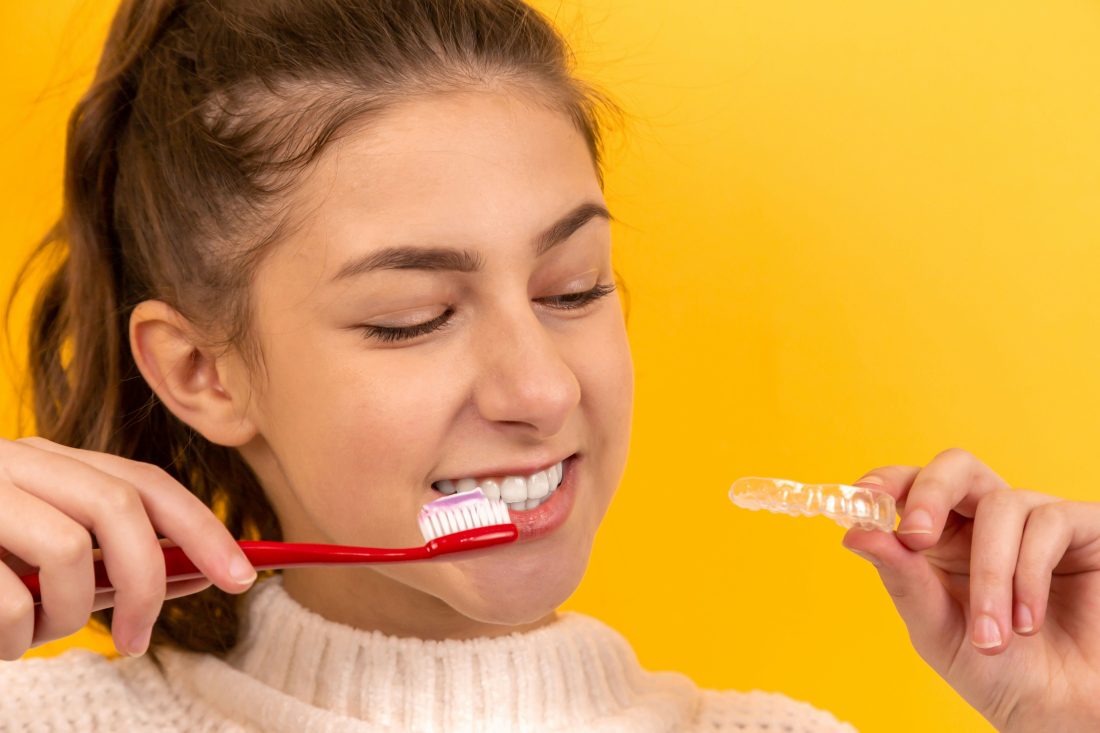
A genuine smile can open doors, forge connections, and communicate warmth without a single word being spoken. Yet millions of people hold back their smiles every day, covering their mouths when they laugh or keeping their lips pressed together in photographs. The reason is often dental health, a factor that influences self-confidence far more profoundly than most people recognize. Understanding this connection reveals why investing in oral health delivers returns that extend well beyond the dentist’s chair.
The Psychology of Smiling
Smiling serves as one of humanity’s most universal forms of communication. Across cultures and throughout history, a smile has signaled friendliness, approachability, and positive intent. Research consistently demonstrates that people who smile frequently are perceived as more trustworthy, competent, and likeable than those who do not.
But smiling is not merely about how others perceive us. The act of smiling triggers neurological responses that actually improve mood and reduce stress. When facial muscles form a smile, the brain releases neurotransmitters including dopamine, endorphins, and serotonin. This biochemical response creates a positive feedback loop where smiling generates good feelings that encourage more smiling.
People who feel self-conscious about their teeth often suppress this natural response. They train themselves not to smile openly, not to laugh without covering their mouths, not to show their teeth in social situations. In doing so, they deprive themselves of both the social benefits and the mood-enhancing effects that smiling provides.
How Dental Issues Affect Daily Life
The impact of dental problems on confidence manifests in countless daily interactions. Job interviews become sources of anxiety when candidates worry about the impression their teeth make. First dates feel fraught when smiling might reveal flaws. Even casual conversations with coworkers or neighbors can trigger self-consciousness that interferes with natural communication.
Many people develop elaborate strategies to hide dental imperfections. They learn to smile with closed lips, angle their faces away from direct view, or position their hands near their mouths during conversation. These compensating behaviors require constant mental energy and prevent full engagement in social situations.
The professional implications can be significant. Studies have shown that people with attractive smiles are more likely to be hired and promoted than equally qualified candidates with visible dental problems. Whether fair or not, appearance affects perception, and teeth play an outsized role in facial appearance. Individuals who feel confident smiling project confidence in other areas as well.
Social relationships suffer when dental self-consciousness creates barriers to connection. The hesitation to smile warmly, laugh openly, or engage fully in conversations limits the depth of relationships people can form. Some individuals avoid social situations entirely rather than face the discomfort of feeling judged for their teeth.
Common Dental Concerns That Undermine Confidence
The range of dental issues that affect confidence extends from minor cosmetic concerns to significant structural problems. Understanding these various conditions helps illustrate why dental health deserves attention as a component of overall wellbeing.
Tooth discoloration ranks among the most common concerns. Years of coffee, tea, wine, and certain foods can stain teeth, while some medications and health conditions cause intrinsic discoloration that surface cleaning cannot address. Even people with otherwise healthy teeth may feel self-conscious about yellowing or uneven coloring.
Misalignment affects both appearance and function. Crooked teeth, gaps, and bite problems can make people reluctant to smile while also creating practical difficulties with chewing and speaking. Modern orthodontic options have made correction more accessible than ever, yet many adults live with alignment issues they believe are too late to address.
Missing teeth create obvious aesthetic concerns but also affect facial structure over time. When teeth are lost, the underlying bone gradually deteriorates, potentially changing facial appearance and undermining the stability of remaining teeth. The psychological impact of tooth loss often exceeds what those who have not experienced it might expect.
Damaged teeth from decay, injury, or grinding can range from minor chips to significant structural compromise. Even small imperfections can loom large in the minds of those who have them, particularly when the damage affects visible front teeth.
Gum disease affects nearly half of adults over thirty to some degree. Beyond the health implications, receding gums, inflammation, and associated problems with tooth stability undermine the appearance of even otherwise attractive teeth.
The Confidence Restoration Effect
When dental problems are addressed, the boost to confidence often surprises patients with its magnitude. People who have spent years hiding their smiles discover a freedom they had forgotten was possible. The psychological weight of dental self-consciousness lifts, revealing how much mental energy had been devoted to managing and concealing the issue.
This confidence restoration extends into multiple life areas. Patients frequently report improvements in their social lives, romantic relationships, and professional performance following dental treatment. While the teeth themselves may be the only physical change, the ripple effects touch nearly every aspect of daily experience.
The phenomenon reflects a broader truth about confidence: it tends to be holistic rather than compartmentalized. Feeling good about one aspect of appearance or capability tends to elevate overall self-assurance. Conversely, a single source of insecurity can cast shadows across otherwise confident self-perception.
Dental professionals who specialize in smile restoration understand this psychological dimension of their work. Practices like New Smile Now approach treatment with awareness that they are affecting not just oral health but overall quality of life. This perspective shapes how they communicate with patients, design treatment plans, and measure success.
Modern Solutions for Common Problems
Advances in dental technology have made effective treatment available for virtually every condition that undermines smile confidence. Many solutions that once required lengthy, uncomfortable procedures can now be accomplished more quickly and comfortably than patients expect.
Professional whitening treatments can dramatically brighten stained teeth in a single office visit or through prescribed home treatments. Unlike over-the-counter products, professional whitening achieves more significant and longer-lasting results while minimizing sensitivity.
Clear aligner systems have revolutionized orthodontic treatment for adults. These nearly invisible devices gradually shift teeth into proper alignment without the aesthetic concerns of traditional metal braces. Many patients complete treatment in twelve to eighteen months while going about their daily lives without anyone noticing their aligners.
Dental implants provide permanent replacement for missing teeth that look, feel, and function like natural teeth. Unlike dentures, implants integrate with the jawbone, preserving bone structure and providing stable support for chewing and speaking. The technology has advanced to allow same-day placement in many cases.
Porcelain veneers offer comprehensive cosmetic transformation for teeth with multiple issues. These thin shells bond to the front surfaces of teeth, masking discoloration, chips, gaps, and minor misalignment simultaneously. Patients can achieve dramatic improvements in just two or three appointments.
Composite bonding provides a more conservative option for minor repairs. Tooth-colored resin material can fill chips, close small gaps, and reshape uneven teeth in a single visit, often without anesthesia.
Gum treatments ranging from deep cleaning to surgical intervention can halt and reverse the effects of periodontal disease. Cosmetic gum procedures can also address issues like uneven gum lines or excessive gum display that affect smile appearance.
Overcoming Barriers to Seeking Treatment
Despite the availability of effective solutions, many people delay or avoid dental treatment that could significantly improve their confidence and quality of life. Understanding the common barriers helps in overcoming them.
Fear of dental procedures keeps many patients away from care they need. This anxiety often stems from childhood experiences or stories heard from others. Modern dentistry has evolved dramatically, with improved anesthetics, sedation options, and gentler techniques that make treatment far more comfortable than many patients expect. Communicating concerns to dental providers allows them to adapt their approach accordingly.
Cost concerns represent a legitimate barrier for many patients. Dental care can be expensive, and insurance coverage varies widely. However, many practices offer financing options that make treatment accessible through manageable monthly payments. Additionally, addressing problems early typically costs far less than waiting until more extensive intervention becomes necessary.
Embarrassment about current dental condition sometimes prevents people from seeking the help they need. They worry about being judged for neglected oral health or feel ashamed of problems they allowed to develop. Dental professionals have seen every condition imaginable and approach their work without judgment. Their goal is helping patients achieve better oral health regardless of starting point.
Uncertainty about options leaves some people paralyzed. They know they want to improve their smiles but do not understand what treatments might help or which providers to trust. Scheduling consultations with reputable practices allows patients to learn about possibilities specific to their situations without commitment.
Time constraints feel prohibitive for busy professionals and parents. The perception that dental treatment requires numerous lengthy appointments deters people from starting. Many modern treatments can be completed more efficiently than patients assume, and the time invested typically pays dividends through improved confidence and prevented future problems.
The Connection Between Oral Health and Overall Health
Beyond confidence, dental health connects to physical health in ways that underscore the importance of proper care. The mouth serves as a gateway to the body, and conditions affecting oral health can influence systemic wellbeing.
Research has established links between gum disease and cardiovascular problems, with inflammation in the mouth potentially contributing to inflammation throughout the body. Diabetic patients face particular challenges with oral health, as the conditions influence each other bidirectionally.
Oral infections can spread to other body systems if left untreated. Bacteria from the mouth have been found in heart valves, joint replacements, and other locations where they can cause serious complications. Maintaining good oral health protects against these risks.
The ability to chew properly affects nutrition. People with dental pain or missing teeth often avoid foods that are difficult to chew, potentially limiting their intake of important nutrients. Restoring full dental function enables healthier eating patterns.
Sleep apnea and other breathing disorders sometimes relate to oral and jaw structure. Dental professionals can identify these connections and collaborate with other healthcare providers on comprehensive treatment approaches.
Building Sustainable Confidence Through Prevention
While restorative treatments can transform smiles, maintaining results requires ongoing attention to oral health. Building sustainable confidence means adopting habits that preserve dental health for the long term.
Consistent home care forms the foundation of oral health maintenance. Brushing twice daily with fluoride toothpaste, flossing daily, and using appropriate mouthwash when recommended removes plaque before it can cause damage. Proper technique matters as much as frequency, making it worth asking dental professionals for guidance.
Regular professional cleanings and examinations catch problems early when they are easier and less expensive to address. Most adults benefit from visits every six months, though some conditions warrant more frequent monitoring. These appointments also provide opportunities to discuss any concerns and adjust home care routines as needed.
Lifestyle factors influence oral health significantly. Limiting sugary foods and acidic beverages reduces decay risk. Avoiding tobacco products protects against gum disease and oral cancer. Managing stress helps prevent grinding and clenching that damage teeth over time.
Protective measures make sense for certain activities. Custom mouthguards prevent sports injuries that could otherwise cause permanent damage. Night guards protect against the effects of grinding during sleep. These investments pale compared to the cost of repairing preventable damage.
Dental Health Matters
Dental health influences confidence more powerfully than most people appreciate until they experience the transformation that proper care provides. The ability to smile freely, laugh openly, and engage socially without self-consciousness affects professional success, personal relationships, and daily happiness in profound ways. Modern dentistry offers solutions for virtually every condition that undermines smile confidence, making improvement accessible to anyone willing to seek it. For those who have lived with dental self-consciousness, taking steps toward a healthier smile may prove to be one of the most rewarding investments they ever make. The returns come not just in improved appearance but in the freedom to express joy, connect with others, and move through the world with authentic confidence.